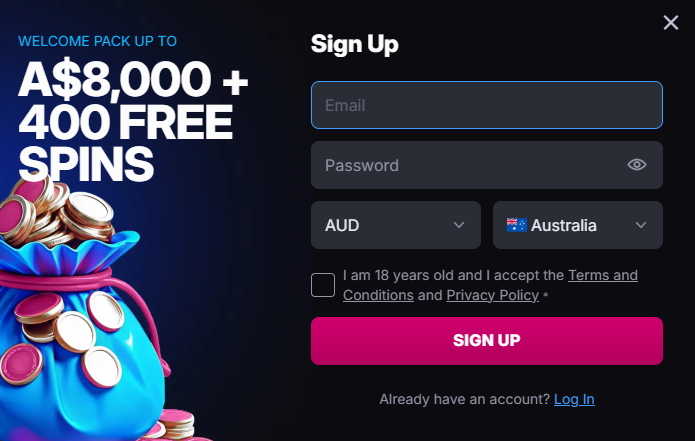





Fast account access on the site from any device
The first thing most players notice is not the design of the homepage. It is the moment they try to get into the account. If that step feels smooth, the whole platform immediately seems easier to trust. If it feels messy, every next click starts with doubt. That is why account access matters more than many people expect. It sets the tone before a single game opens.
Imagine an ordinary evening. You are back home, you have half an hour free, and you want to check your balance, maybe look at the cashier, maybe play later if the mood feels right. In that situation, a clean login flow matters more than any flashy banner. You want to enter the member area, see whether the profile looks normal, and move on without guessing where important sections are hiding.
For adult players in Australia, the practical value of a good login flow is simple: it saves attention. When the account opens cleanly on the first try, the player has more mental space to look at session limits, check payment tools, or decide not to play at all. That sounds small, but it is exactly how a platform becomes usable in everyday life instead of only looking good in theory.
There is also a routine element here. Some people log in from the same device every time. Others switch between a laptop, a phone, and sometimes even a tablet during the week. The smoother the entry process is across devices, the easier it is to keep the account feeling familiar. Familiarity matters. Players make better choices when they are not wasting energy just figuring out how to get in.
Logging in through the desktop version of the site
Desktop login usually feels calmer because the player can see more at once. The account area, the cashier, recent notifications, and profile details are easier to scan on a larger screen. Imagine opening the site after work on a laptop. You can pause for a second, read what is on the page, and decide whether this is going to be a quick check or a real session. That breathing room is one reason many players still prefer desktop access when they want to move carefully.
Another advantage is focus. A desktop browser tends to make the login process feel more deliberate. You enter the account, review what matters, and decide what comes next. On a larger screen, it is also easier to notice if something in the profile changed, if a notification is waiting, or if the account needs attention before any money moves. That makes desktop access especially useful for players who treat casino time as planned entertainment instead of something they do impulsively.
Logging in through mobile browsers
Mobile login works best when the player treats it as a practical shortcut, not as an excuse to rush. Picture opening the account while you are on the train or waiting in line somewhere. The small screen naturally pushes people to move faster, read less, and jump straight to the lobby. That is exactly why mobile access needs a calmer habit. Open the account, check the profile area, confirm the balance, and only then decide whether this is the right moment to stay or leave. A phone makes entry quicker, but the player still has to keep the pace sensible.
Profile verification for safer payments
Verification is one of those steps that players often postpone because it feels dry. Then, the moment they actually want to use the cashier properly, it suddenly feels important. In reality, verification is part of building a stable account from the start. It helps connect the profile to the person using it and reduces friction later when payment-related actions matter more.
Imagine this scenario: a player logs in for several days without any issues, explores the site, maybe even plans a longer session for the weekend. Everything feels smooth until a payment step or account check asks for profile confirmation. Now the player is impatient, because what should have been a routine upload suddenly feels like an interruption. That is why verification works better when it is treated as preparation, not as an obstacle.
For users in Australia, this also connects directly to normal account hygiene. The platform may be available there for adult players under applicable rules, but that does not mean profile setup should be left vague or unfinished. The safer habit is to make the account readable early - correct name, correct contact details, and enough awareness of what the platform may request later.
What matters most is not speed. It is clarity. Players usually do better when they understand where the verification section sits, what kind of documents are typically expected, and how those files should look before they are uploaded. That small amount of preparation can prevent the most common source of KYC frustration: trying to improvise everything at the exact moment a session is supposed to begin.
Documents for confirming the identity of an Australian player
Document checks are easier when the player treats them like a normal profile task instead of an emergency. Imagine opening the account late at night and trying to upload whatever photos happen to be on the phone. That usually creates more delay than progress. Clear, readable files help. So does checking that the profile details match the documents before anything is submitted. Players often focus only on the file itself, but consistency across the account matters just as much.
What to upload to the profile:
* Photo of a driver’s licence
* A selfie with a passport
* A statement from an Australian bank as proof of address
If these materials are prepared calmly, the process usually feels much more manageable. The frustration often comes not from the request itself, but from being forced to deal with it in a hurry. That is why it helps to treat profile confirmation like part of account setup, not a surprise twist in the middle of a planned session.
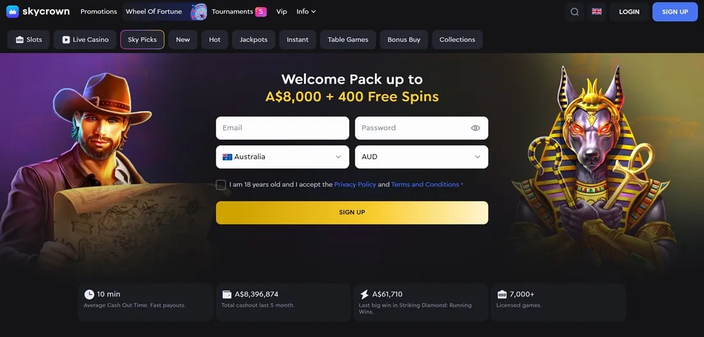
Personal data protection and two-factor authentication
Security is easy to ignore when everything works. That is exactly why it matters. Most account problems do not begin with a dramatic breach. They begin with ordinary habits: staying signed in on a shared device, using a weak password, saving details carelessly, or skipping security options because they look inconvenient in the moment. Then later, those shortcuts stop feeling efficient and start feeling risky.
Imagine someone logging in from a friend’s laptop or a shared family computer because it is convenient for one evening. The session is short, nothing looks suspicious, and they forget to sign out properly. That is how avoidable risk enters the picture. The smarter habit is simple: use personal devices when possible, keep credentials private, and treat the account area as something that deserves the same care as any other profile connected to money.
Two-factor authentication fits into this logic. At first, many users see it as just another extra step. In practice, it often makes the account feel more secure, not more annoying. That added confirmation creates a pause between the intention to enter the profile and the actual account access. Sometimes that pause is exactly what protects the account from careless use.
The table below shows how players often think about everyday security features in practical terms:
Main characteristic | Practical note |
|---|---|
Strong password | Protects basic account access during every login, especially on reused devices |
Two-factor authentication | Adds an extra confirmation step and is most useful on new or unusual logins |
Verified email access | Helps with password recovery and important account notifications |
Personal device use | Reduces privacy risks and makes saved login details safer to manage |
Another useful habit is to review the profile settings occasionally even when nothing seems wrong. Are the contact details current? Are security prompts still active? Is the recovery email still accessible? Those questions sound boring until the day they suddenly matter. Players who treat the account like something worth maintaining usually avoid the worst kind of friction later.
Ways to recover access and reset the account password
Password recovery feels stressful mostly because people try to fix it too quickly. The first attempt fails, so they guess again. Then they switch devices. Then they wonder whether they used the right email. By that point, the original issue is often smaller than the confusion created by the reaction to it. The better method is slower and much cleaner.
Imagine a player opening the platform before a short evening session and realizing the account password is not being accepted. The instinct is to push harder. In practice, the smarter move is to stop after the first serious failed attempt, confirm which email belongs to the account, and work through the recovery flow carefully on one device. That keeps the process readable.
Recovery also works better when the player thinks of it as a reset of the process, not as a shortcut back into play. Read the prompt, follow the instructions in order, and resist the temptation to combine several recovery attempts at once. That alone removes a surprising amount of friction.
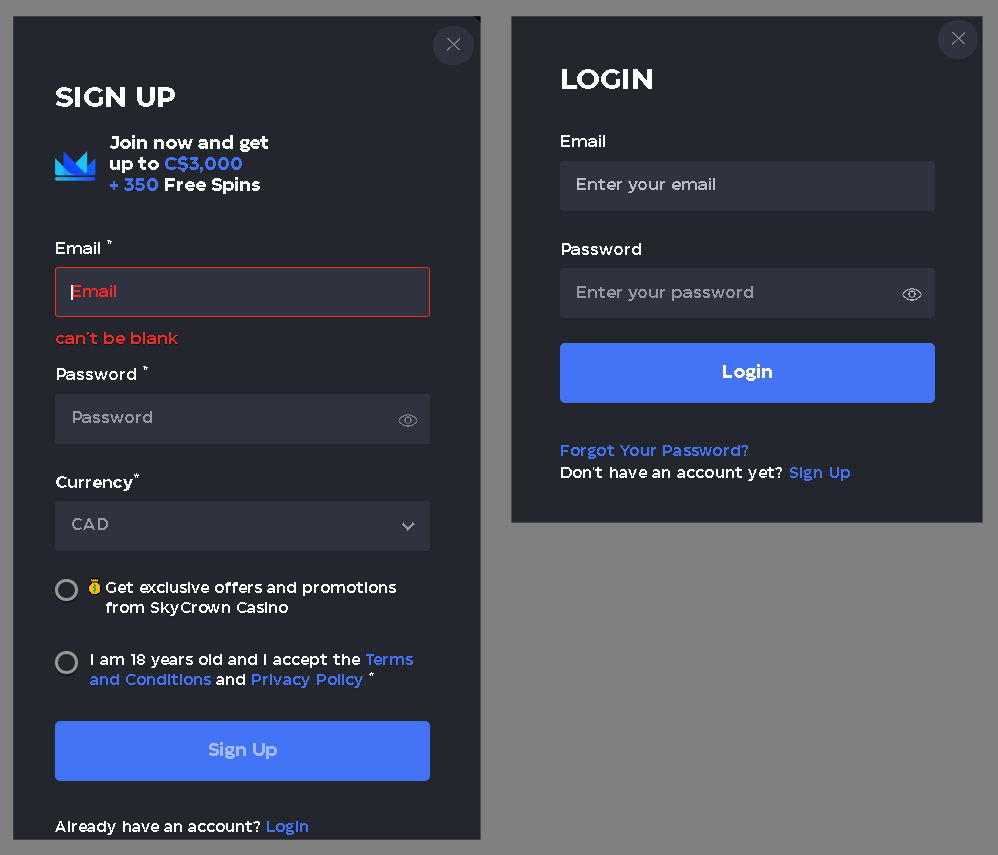
Password reset flow:
* Click the “Forgot Password” button
* Enter the e-mail used in the system
* Follow the link from the message
* Create the new login details
Another practical point is emotional timing. If access fails right before a planned session, frustration tends to rise fast. That is usually the wrong moment to improvise. If the reset process begins to feel messy, the better decision may be to finish it calmly and leave the actual session for later. A player who handles recovery with a clear head almost always gets back into the account more smoothly than someone trying to force the fix in real time.